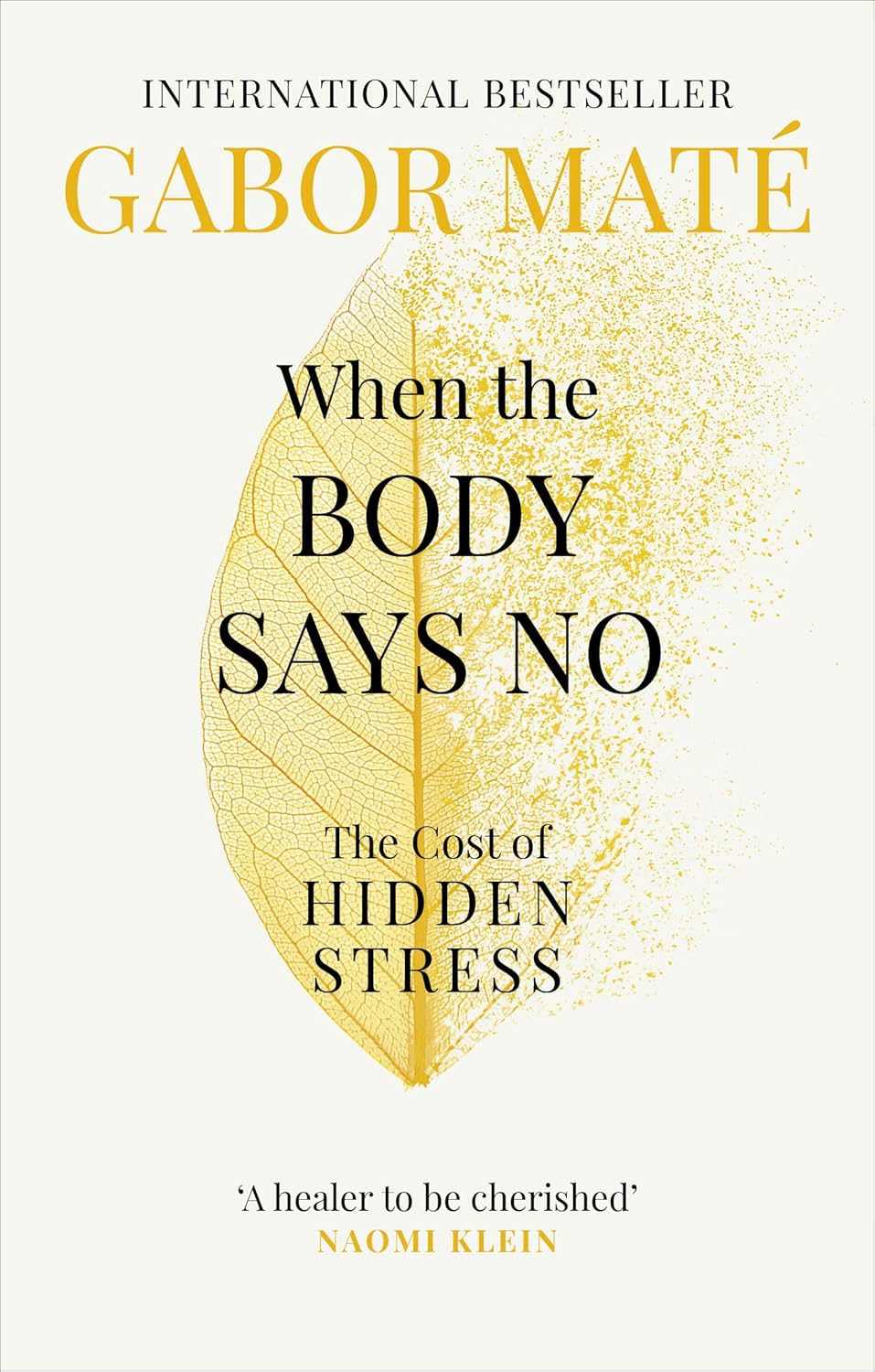
Dr. Gabor Maté’s seminal work, When the Body Says No: The Cost of Hidden Stress, presents a powerful argument for the inseparability of the mind and body, asserting that chronic emotional stress and psychological factors play a profound, often critical role in the onset and progression of a wide array of chronic illnesses, including autoimmune diseases, cancer, and heart disease. The book’s central thesis is that physical disease is frequently the body’s ultimate, literal way of saying “no” to circumstances or demands that the conscious mind has been unable or unwilling to reject. Maté weaves together scientific research, his own decades of clinical experience as a family physician, and dozens of moving case studies to illustrate this crucial mind-body link, a field known as psychoneuroimmunology.
The Causes of Hidden Stress
The type of stress Maté investigates is not necessarily high-octane, acute stress, but hidden stress—a chronic, insidious state of physiological arousal rooted in lifelong emotional patterns. The primary source of this hidden stress is the repression of authentic emotions and the constant subordination of personal needs to the needs of others, a pattern Maté frequently traces back to childhood. For survival and attachment, many individuals develop a deeply ingrained emotional style of “people-pleasing,” where they automatically prioritize duty, responsibility, and the emotional comfort of others above their own well-being. This learned suppression, particularly of healthy anger (the natural signal that a boundary has been crossed or a need is unmet), keeps the body’s stress response system (the HPA axis) constantly activated.
Maté also identifies several common psychological profiles and coping mechanisms that predispose individuals to illness. These include a rigid identification with duty, an inability to assert healthy boundaries by saying “no,” and a core belief in having to be strong enough to handle everything alone. This relentless self-reliance and emotional stoicism, often formed in response to early life trauma or inconsistent caregiving, prevents individuals from acknowledging their vulnerability and seeking necessary support. By denying their true emotional state—a condition Maté terms deficient emotional competence—these individuals force their bodies into a state of chronic alarm, leading to the deterioration and dysregulation of the immune system, hormonal balance, and nervous system, eventually manifesting as physical disease. Maté notes that universal stressors like uncertainty, lack of information, and loss of control become especially destructive when filtered through this pre-existing psychological framework of self-neglect.
Maté’s Suggested Solutions for Healing
Maté frames the solution to hidden stress not as a medical “prescription” to fix something broken, but as a journey of personal transformation toward wholeness and self-integrity. The ultimate goal is to bridge the fundamental disconnect between the mind and the body. The healing process requires developing a profound capacity for emotional awareness—learning to accurately sense, acknowledge, and trust one’s inner feelings and needs.
Maté offers a powerful, practical framework for this transformation in the final chapter, titled the Seven A’s of Healing. These steps are designed to help individuals reverse the self-abandonment patterns that created the hidden stress:
- Acceptance: Radically acknowledging the present reality of one’s condition and emotional history without self-blame or denial.
- Awareness: Cultivating a moment-to-moment recognition of internal feelings and physical signals, effectively becoming present in one’s own body.
- Anger (Expression of): Learning to recognize and appropriately assert one’s self by using anger as a healthy tool for setting boundaries, rather than repressing it.
- Autonomy: Reclaiming one’s right to choose and act according to one’s own authentic needs and values, freeing oneself from the obligation to meet others’ expectations.
- Attachment: Seeking and maintaining deeply authentic and non-judgmental connections, as healing often occurs within a safe, supportive relationship context.
- Affirmation: Clearly stating and defending one’s right to one’s feelings and needs, affirming one’s inherent value regardless of one’s utility to others.
- Assertion: Taking decisive action based on this new awareness—setting clear boundaries, voicing needs, and saying “no” when necessary.
In short, the path to healing lies in embracing emotional truth, prioritizing the authentic self, and finally allowing the mind to consciously say “no” so that the body doesn’t have to say it in the form of disease.




 Jazbaat Help Center
अपने सुझाव, अनुभव और टिप्पणी यहां लिखें-