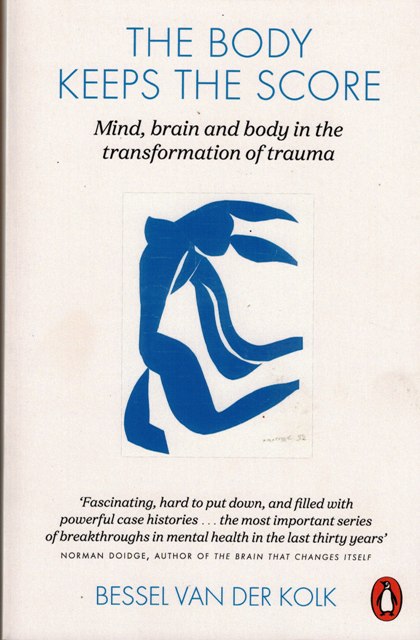
Dr. Bessel van der Kolk’s The Body Keeps the Score is a groundbreaking work that explains how trauma—which can range from major catastrophic events to chronic emotional neglect—literally reshapes the body and brain. For anyone dealing with persistent stress, anxiety, or feelings of being “stuck,” this book offers a profound new way of understanding why your physical and emotional reactions might feel out of your control.
1. The Core Idea: Trauma is Not Just a Story
The central thesis of the book is captured in the title: The body keeps the score.
- Trauma is Not Just in Your Head: Van der Kolk argues that trauma isn’t just a bad memory you can “get over” by talking about it; it’s a physiological fact that impacts your brain structure, nervous system, and overall physical health.
- The Body Remembers: Even when your conscious mind tries to forget, the body holds onto the raw emotions, physical sensations, and survival instincts from the traumatic event. This can manifest as chronic pain, digestive issues, headaches, or simply an unshakeable sense of tension and anxiety.
2. How the Brain and Body Get “Stuck” in Survival Mode
The book details the neurobiology of trauma, explaining why it feels so hard to calm down when you’re overwhelmed:
- The Faulty Alarm System: The amygdala (the brain’s “smoke detector”) becomes hyperactive after trauma. This means it constantly scans for danger and triggers the body’s alarm system (fight, flight, or freeze) even when you are safe. For the general reader dealing with high stress, this explains feelings of hypervigilance (always on edge) and intense anxiety that seem unwarranted.
- The Shutdown of the Rational Brain: During a traumatic or highly stressful event, the prefrontal cortex (the rational “watchtower” that plans and thinks) can shut down. This is why it’s so hard for trauma survivors (or highly stressed individuals) to think clearly, stay focused, or emotionally self-regulate.
- Speechlessness: The area of the brain responsible for putting feelings into words (Broca’s area) also often deactivates during a traumatic memory or flashback. This is why survivors may struggle to narrate their experience coherently or feel a “speechless terror,” leaving them feeling isolated and misunderstood.
3. The Physical Toll of Unresolved Stress
Trauma and chronic stress force the body to remain in a state of high alert, which has serious long-term consequences:
- Dysregulated Nervous System: The constant flood of stress hormones (like cortisol) affects the immune system and organ function. This contributes to the high correlation between a history of trauma/stress and later health issues like chronic fatigue, fibromyalgia, autoimmune diseases, and heart problems.
- Loss of Interoception: Trauma can cause a disconnection from your inner self, a term called interoception (the ability to feel and interpret your own body’s signals, like hunger, fatigue, or excitement). This loss of connection leads to emotional numbing, where you can’t feel pleasure or pain, and struggle to know what you need to take care of yourself.
4. Pathways to Healing: Reconnecting Mind and Body
The book emphasizes that because the trauma is stored in the body, the path to healing must involve the body, not just the mind. Healing is about reclaiming your body and learning to feel safe in it again.
- Beyond Talking: Traditional “talk therapy” (where you just tell your story) is often insufficient because the trauma is encoded in the non-verbal, lower parts of the brain. Healing requires experiences that viscerally contradict the feeling of helplessness and terror.
- Embodied Practices: Dr. van der Kolk champions non-verbal, body-based therapies that help re-regulate the nervous system and restore interoception. These include:
- Yoga and other mindful movement (like Tai Chi or dance): Focusing on breath, body sensations, and holding poses helps you observe and tolerate physical discomfort, rebuilding a sense of connection and control.
- EMDR (Eye Movement Desensitization and Reprocessing): A structured therapy that helps the brain reprocess traumatic memories, allowing them to be stored as a normal narrative instead of an active, relived event.
- Neurofeedback: A treatment that helps train the brain to change its own activity patterns, calming the overactive “alarm system.”
- Restoring Relationships and Safety: The book highlights the critical importance of secure attachment and healthy social connection. Healing involves finding safety in relationships and in your community, which helps regulate the nervous system and rebuild a sense of self-worth and trust.
In Short
For anyone experiencing ongoing stress, The Body Keeps the Score validates the feeling that your stress is physical, not just a lack of willpower. It shows that your anxiety, difficulty concentrating, and physical ailments are often your body’s legitimate, though outdated, response to past overwhelming experiences. Most importantly, it offers a message of hope and agency, providing a clear map for recovery by focusing on therapies that help you re-establish a loving and safe relationship with your own body.



 Jazbaat Help Center
अपने सुझाव, अनुभव और टिप्पणी यहां लिखें-